

news and releases
Upcycled Fashion and the Designers Doing It
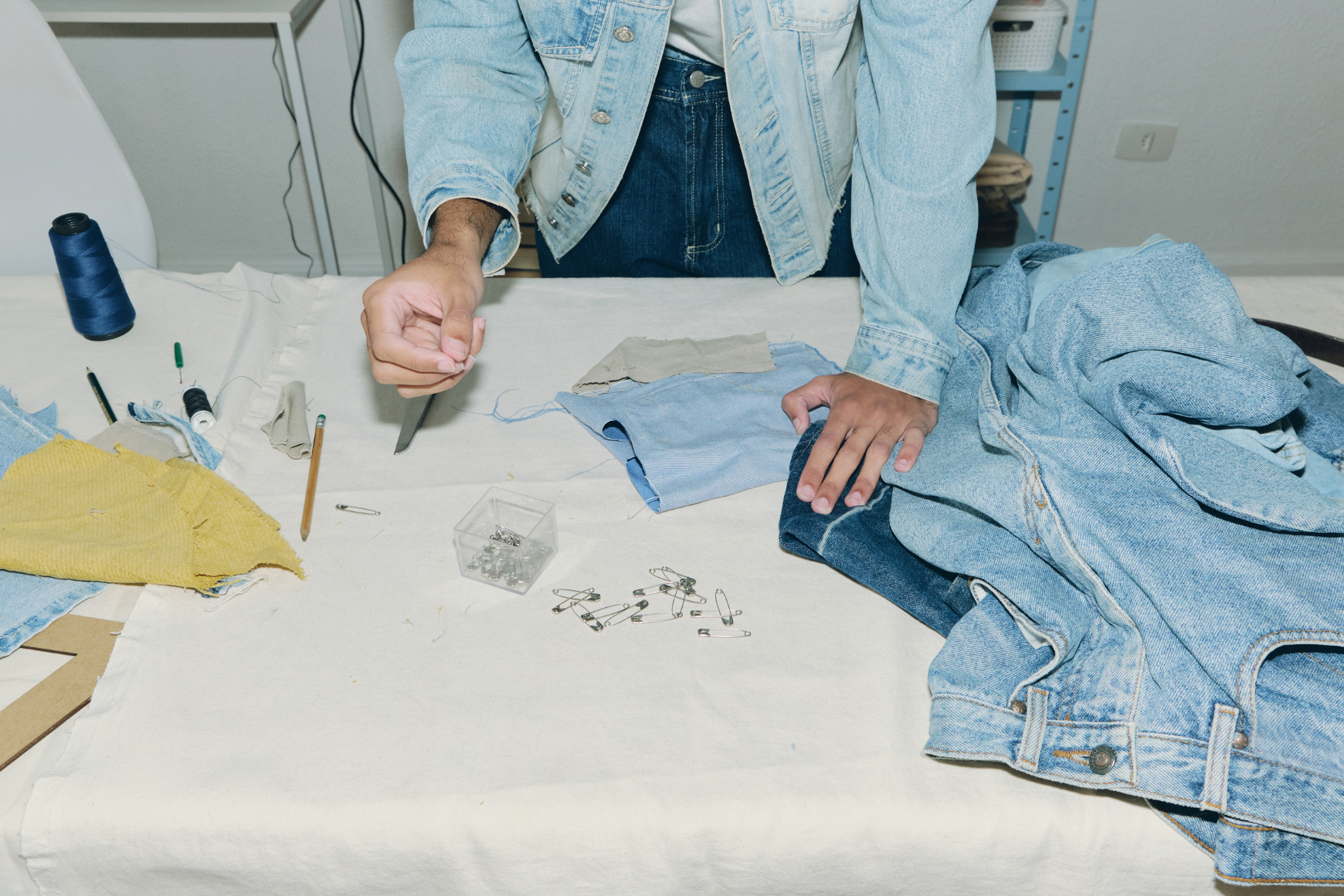
In the quest for a fresh style, we often discard the old to make way for the new. However, in our throwaway culture, perhaps the real accomplishment lies in working with what we already have.
Upcycling—repurposing materials or objects to give them a new use or look—adds value to things that would otherwise be discarded, extending their lifespans. This practice applies to various industries, from furniture design to art and fashion.
Who Invented Upcycling?
Upcycling might seem like a new trend or buzzword, but it's an age-old practice. People didn't all have the means to replace old clothes with new ones (a problem still alive today), so they had to repair, alter, or piece together new garments themselves. Ever wonder why grandmas are so good at sewing? They didn’t have fast fashion at their fingertips!
During lockdown many of us passed the time with DIY projects, rediscovering the pride of creating something handmade. This resurgence contributed to patchwork becoming a major trend in 2022.
Environmental Impact of Upcycling
Unlike recycling, which involves reprocessing fabrics, upcycling uses materials in their current state, requiring less energy and no new production. However, it can still produce waste if not all parts of an item are used.
The Growing Popularity of Upcycling
Environmental awareness has boosted the popularity of upcycling, with many creators showcasing their projects online. Thrift flip videos, where second-hand clothes are transformed into fashionable items, are especially popular. Tutorials are readily available, but even simple projects can refresh a wardrobe, and some don’t even require sewing skills!
The appeal of upcycling has moved beyond environmental responsibility to become aesthetically desirable. Some upcycled designs seamlessly blend in, while others, like patchwork and deconstructed items, intentionally highlight their unique origins. Let’s not forget how Nigel Xavier, winner of the second season of Next in Fashion, stood out from the competition for his inventive custom-made fabrics.
High fashion is also embracing upcycling. Junya Watanabe's SS25 collection features patchwork and re-used denim, Namilia's featured upcycled looks from the Ed Hardy archives, while Harris Reed use theatre curtains in some of their couture-esque designs. Swedish brand Hodakova attracted online fame with innovative upcycled designs, including a dress made entirely from spoons and designer belt bags, and was a finalist for the 2024 LVMH prize.
Due to the limited availability of specific fabrics, upscaling is challenging. Many designers limit upcycling to certain collections, offering limited editions or operating via limited drop or made-to-order models. Nonetheless, the trend is growing, and more designers are incorporating upcycling into their businesses.
Designers Leading the Upcycling Movement
Still not convinced? Here are some designers making significant strides in upcycling:
Marine Serre
Known for her signature crescent moon pattern, around 50% of Marine Serre’s collections consist of upcycled products, with 92% of regenerative elements such as scraps or recycled fibres.
Freitag
Made in Zurich, each bag is a one-off, unique product made from recycled truck tarps, empty PET bottles, airbags and fully compostable textiles. You can even customize your own now in select stores.
Jawara Alleyne
Alleyne revamps clothing, frequently incorporating safety pins to impart his distinctive style, showcasing his Caribbean heritage in the heart of London's fashion scene. His clothing has been worn and endorsed by fashion icon, Rihanna.
Benjamin Benmoyal
The brand's journey began by weaving fabrics exclusively from upcycled audio and video cassette tapes like VHS and Walkman tapes. Today, they continue their have expanded their reach by crafting unique fabrics entirely from upcycled yarns and materials sourced from manufacturers and luxury fashion houses' surplus stocks.
Adam Jones
With a humorous nod to everyday British culture, garments are crafted in London using vintage materials sourced from unexpected places: bar towels from the pub, tea towels from the kitchen, vintage blankets from the bedroom, and other unassuming fabrics, predominantly from the 1970s and 80s.
Imlidana
This small independent textile studio from India preserves generational textile techniques and honours craftsmanship. Specializing in hand knitting and patchwork, they meticulously create curated pieces from alternate textiles, aiming to reduce landfill impact.
Helen Kirkum
The award-winning London-based artist and designer has her own studio, where she utilizes recycled and dead stock materials. This studio makes new, unique sneakers from old ones, embracing the deconstructed aesthetic.
Olli Hull
The artist and designer creates one-of-a-kind, hand-painted pieces upcycled from vintage and second-hand clothing. It’s wearable art, inspired by his own experiences with gender and identity.
RÆMADE
Christopher Raeburn, creative director of Napapijri, expands his environmental commitment to his eponymous label RÆBURN, where the RÆMADE line in particular provides distinctive utility menswear made from unconventional surplus materials.
Zero Waste Daniel
Based in New York City, Daniel utilizes pre-consumer waste from the local garment industry and other difficult-to-recycle materials. His genderless clothing and accessories provide classic patchwork designs, often complemented by floral embellishments crafted from fabric scraps.
Ahluwalia
Founded in 2018 by Priya Ahluwalia, this label blends the designer’s dual Indian-Nigerian heritage with London influences. It revitalizes vintage and surplus clothing through innovative textile and patchwork techniques.
The brand previously released an upcycled collection with Ganni, another sustainable brand committed to reuse, upcycle, or recycle 100% of its excess materials by 2025.
As the upcycling movement grows, more brands are adopting these sustainable practices, and it’s truly exciting and inspiring to see what creators make with repurposed fashion.
Copyright and Content Use Notice
At THREADSPY we respect copyright and intellectual property rights. The images on this page are the property of their respective owners. If you wish for your content to be removed, please contact: [email protected].
You might also like