


news and releases
Italy Versus England at Milan Fashion Week
(Image by Prada)
Milan Menswear Fashion Week recently saw British brands Martine Rose and Dunhill showcasing for the first time in Milan alongside the Italian elites, including Prada, Gucci and Moschino.
With London Fashion Week losing its verve, it was up to the British brands to represent the best of the country’s fashion and make us proud at home when playing with the big boys.
So, who stole the show and who played it safe? Let's compare the collections of these renowned brands with two of the big Italian labels.
Martine Rose: Defying Conventions
Martine Rose brought her urban London style to Milan, refusing to conform to any norms, especially the sharp Milanese sartorial codes.
Set in an industrial building adorned with scattered flyers, makeshift seating, and torn fabric installations, the venue radiated an underground, creative vibe.
Her collection boldly defied conventional beauty and traditional fashion norms. Models wore prosthetic noses and matted long wigs, while garments, including a padded satin dress, contoured the body in unexpected ways.
Formal tailoring was juxtaposed with boxy silhouettes and DIY slashed and patched tops. Rose infused her signature sportswear jerseys and jackets into a genderless collection, with male models donning pencil skirts and fishnet socks.
In a unique take on cowboy style, she designed inverted chaps with leather crotch panels and western-style flannels. Meanwhile another collaboration with Nike TN provided plenty of eye candy for any Instagram fashionistas.
Dunhill: Country Club Elegance
While Martine Rose seeks out new and unconventional style codes, Dunhill remains rooted in tradition. Under the direction of Simon Holloway, Dunhill's collection celebrated classic style and heritage, perfectly embodying the modern gentleman.
Set in the outdoor gardens of central Milan, the show radiated a country club ambiance with waiters serving guests, enhancing the atmosphere of preppy relaxation.
The collection featured suede outerwear, leather jackets, tailored blazers, and formal shoes, complemented by leather gloves, briefcases, and raincoats designed for British weather.
Tennis racquet cases, slim trainers and lighter colour combinations painted a picture of summer leisure, while cable-knit jumpers, three-piece suits, and ascots catered to high society evening affairs.
Dunhill's timeless elegance and refined taste would have made it the perfect guest designer at Pitti Uomo last week, the premier event for classic menswear. Maybe next year the brand should rearrange its schedule!
Moschino: Eccentricity and Wearability
Adrian Appolaza’s debut resort collection for Moschino took us on a journey through his life, from a corporate job in Argentina to his creative dream role in Italy.
The collection was designed to evoke the feeling of lost and found luggage, symbolized by a heap of stacked suitcases in the show space. The eclectic, sometimes seemingly random assortment of looks perfectly captured this theme.
Starting with classic grey suits, the collection gradually subverted and shredded them, transitioning from a somber city vibe to a sunny countryside aesthetic.
Appolaza paid homage to the brand's Italian identity with cornetto necklaces, footballs, and the national flag, while also reviving Franco Moschino’s iconic survival suit to honor the house’s legacy.
Eccentric pieces like the egg suit, goose dress, maxi long tie, and three-in-one hats added playful and quirky touches, almost rekindling Moschino's rebellious spirit. While the abundance of ideas made sense with the lost luggage theme, a more cohesive overall theme could have enhanced the collection's memorability.
Nonetheless, Appolaza struck a successful balance between Moschino's signature eccentricity and wearability, presenting fun and practical designs and accessories.
His confident yet cautious approach resulted in a collection that, while not as radical as some of Moschino's most famous collections, was still thoroughly enjoyable and practical.
Prada: The Real and the Unreal
The Prada Spring/Summer 2025 menswear collection by Miuccia Prada and Raf Simons explored the interplay between reality and illusion.
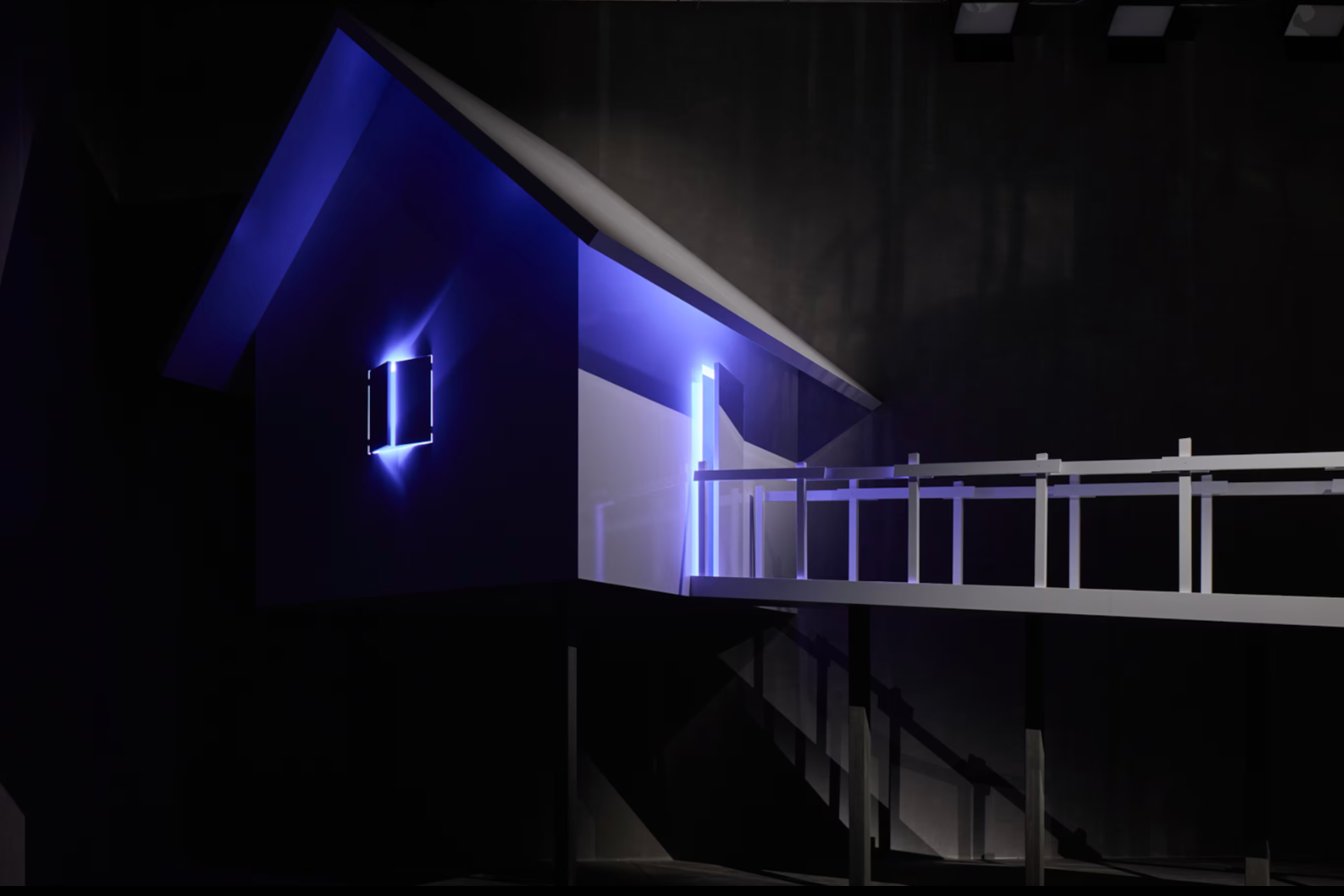
The show space featured a hut on stilts, resembling a child’s treehouse that, with some imagination, evoked a magical, fairy-tale atmosphere.
This childlike curiosity was further emphasized through the proportions of the apparel, which, through deliberately cropped or long pieces and quarter-length sleeves, appeared as though borrowed from a parent.
Along a parallel theme, some models had a dishevelled look about them, with scruffy collars and wraparound sunglasses, as if they had just come from a techno rave. This idea was further cemented by the thumping soundtrack and Bernard Buffet paintings printed like concert t-shirts.
Clever details like wired collars and hems created malleable edges that were bent out of shape, and the collection merged office wear with party elements. A neutral palette with pops of "ugly" colours like mustard yellow and Kelly green added a retro 90s feel.
Purposefully creased and aged garments suggested a lived-in reality, deceiving of the fact that they were brand new. Imperfect stripes were printed on shirts as if painted by hand, and belts were printed onto trousers at a slightly unusual height.
While never wavering in their high standard of class and elegance, Prada always manages to insert unique details into their collections, inviting viewers to uncover them.
The Verdict
Both English and Italian designers brought their A-game to Milan, blending classic and unconventional elements in their collections. Martine Rose and Dunhill may have chosen Milan as their stage, but they remained proudly loyal to their British heritage and brand identity.
Representing two faces of Britishness, Martine Rose embodied the multicultural hub of London, while Dunhill drew inspiration from the traditional English countryside.
On the Italian side, Moschino's playful eccentricity retained some of the brand’s tradition of breaking from the mainstream but prioritised wearability, while Prada continued to represent the zenith of Milanese style. While none of the collections were groundbreaking, there were some unique perspectives to be had on the runway.
The lack of revolutionary designs perhaps reflects a broader industry trend, where established brands and creative directors dominate the scene. The call for fresh faces and new ideas is growing louder, as fashion enthusiasts yearn for innovation and excitement.
Until then, Milan Menswear Fashion Week remains worth the watch, with England and Italy each making their distinctive mark.
Copyright and Content Use Notice
At THREADSPY we respect copyright and intellectual property rights. The images on this page are the property of their respective owners. If you wish for your content to be removed, please contact: [email protected].
You might also like