

news and releases
Brand Focus: Edwin
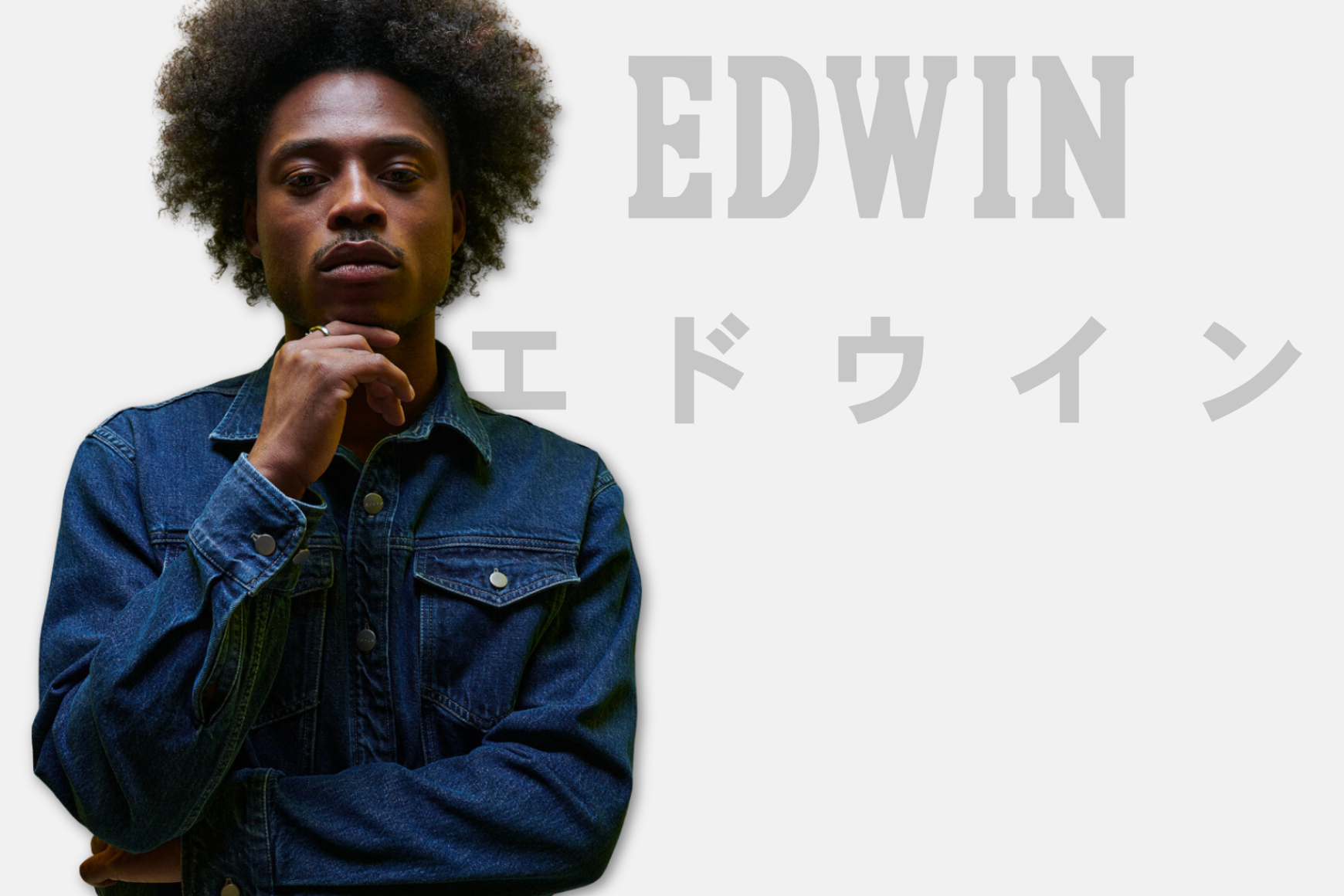
While the name ‘Edwin’ might not ring a bell for everyone, true denim enthusiasts will tell you that this brand is a cultural icon in the world of Japanese denim- one of the best in the global market.
Having gained prestige for its authenticity, innovation, and craftsmanship, Edwin is one the front runners for designer Japanese Selvedge denim and has etched its name in Japanese fashion history.
A Bit of History
Founder Tsunemi Yonehachi established the brand in 1947 post-war Tokyo, Japan. He boldly started importing denim directly from the United States when there were still no denim manufacturers in Japan.
Yonehachi was amongst the first merchants to bring vintage American jeans to Japan, and it helped set off a national obsession with denim.
It was a risky move considering recent history and the lingering animosity towards the USA, but the Japanese population, like many others, became fascinated with American culture. As the fabric of choice for Western cowboys, denim was seen as the bread and butter of an all-American lifestyle.
Since then, Japanese denim has developed into a category of its own, with unique characteristics that make it one of the best in the world.
What Is the Brand Known For?
Edwin denim was initially imported from the USA, but as the movement grew, they started producing it directly in Japan. In 1961, Edwin Jeans became the first to affix the 'Made in Japan' label to a pair of jeans- a historic milestone!
True Japanese jeans are made using selvedge fabric, defined by self-finished edges that don’t unravel when the jeans are made.
Selvedge jeans are typically woven on old looms requiring more skill and adeptness. Japanese denim brands outdid themselves in their ambition of recreating American jeans, gaining a reputation as the best in terms of knowledge and production.
Edwin is also credited with creating what was then the world’s heaviest ring spun jean in 1963 and developing the old wash style jean in the 70s, a way to make new jeans look and feel worn in.
The brand also claims to have invented the stone wash technique in the 80s, which revolutionised the industry and remains a mainstay amongst denim brand’s collections today.
Edwin is famous for its jeans, but you can also find all the staples of Japanese streetwear, like t-shirts, sweaters, knits and much more. Look out for trippy graphics, fonts and fun prints, often featuring flowers and a meditating toad (the latter is the logo for the brand's music channel).
You might remember Brad Pitt modelling for the brand some 15 years ago in a series of light-hearted commercials- like this rare gem of him dancing!
Sustainability
The brand adopts a green approach by using smart technology to manufacture denim with 80% less water, by recycling and reusing rainwater.
Water-saving treatments such as E-Flow, Ozone and laser-applied techniques, plus increased use of eco-materials contribute to more sustainable practices at Edwin.
Sizing and Care tips
Every denim product loses colour, but that is what makes each pair unique- it’s all part of the appeal! After several washes, however, the loss of colour will diminish and eventually stop.
Edwin recommends washing your jeans inside out, preferably on its own or with similar items. Use as little washing powder possible- and no bleaching agents!
Japanese denim is famed for its stiffness, but like all jeans, it softens with wear, creating personalized signs of aging that vary for everyone.
That’s the stuff that denim-heads go crazy for! Hardcore enthusiasts will sometimes wait months before washing their jeans for the first time, just to ensure that the creases and fading marks stay super visible.
Unless you are seriously passionate about that sort of thing, it’s probably not worth it once people start wrinkling their noses around you. I’d say wear your jeans a good few times, but if things start to get stinky, just wash them!
Edwin often cut their jeans a little generously, so for a closer fit you may want to size down by an inch or two on the waist, although most people won’t have any problems with buying true to size.
They also have an intuitive naming system for their jeans, so you know exactly what to expect- go for the ‘Loose Straight’ for a bit more space around the thighs, or ‘Slim Tapered’ for a slightly tighter fit.
Pricing
Edwin can be considered high end streetwear. Japanese denim in particular warrants a higher price tag because of the expertise and skill that goes into making them.
Not all of their products are made in Japan now, so make sure to double check if you want the traditional stuff.
The traditional methods and machines used to create Selvedge jeans require more time and since selvedge denim can only be woven at a width of 31", about half the width of non-selvedge denim, the end product is more costly.
If you want to branch out with something special for your next pair of jeans, get your hands on some Edwin ‘Made in Japan’ denim. It stands the test of time not only in terms of quality and unique properties, but as a token of Japanese denim tradition. Don’t sleep on the rest of the brand’s fashion offerings either!
Copyright and Content Use Notice
At THREADSPY we respect copyright and intellectual property rights. The images on this page are the property of their respective owners. If you wish for your content to be removed, please contact: [email protected].
You might also like